
Transcendental Yoga

A New translation and Commentary of the Yoga Sutras of Patanjali, in the light of Maharishi Mahesh Yogi's teaching

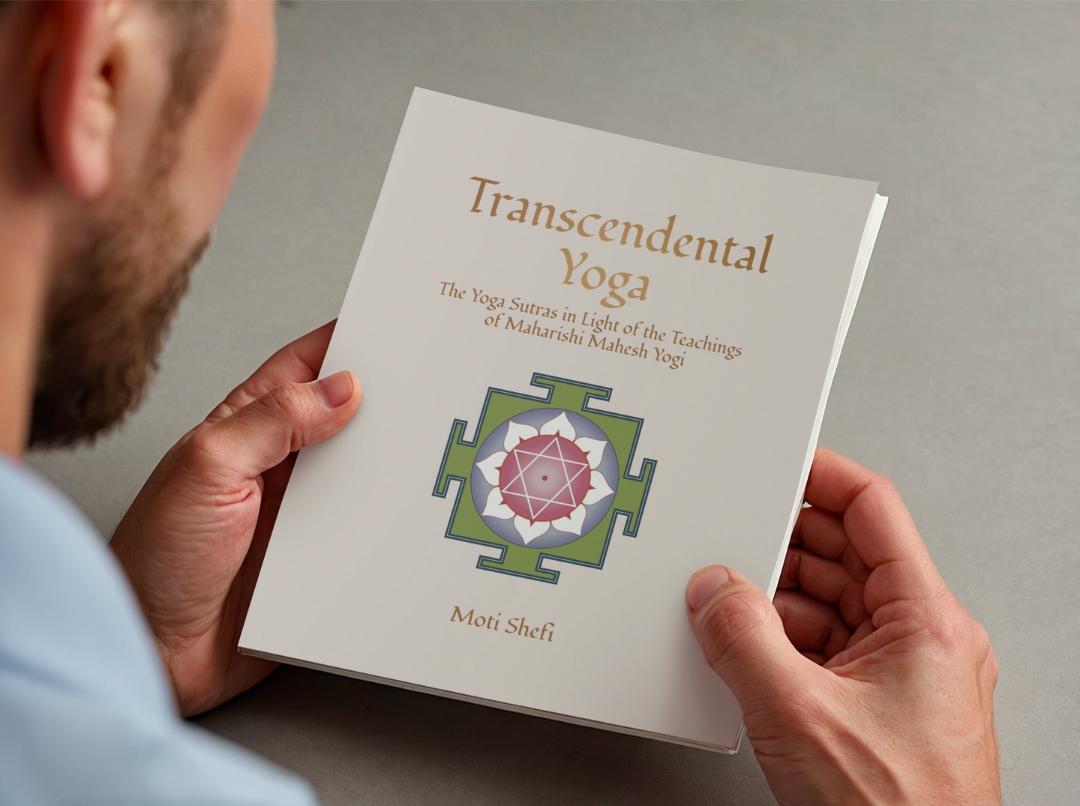
Yoga is more than a practice. Actually, it is a state of Being. This new edition of Patanjali’s classic text offers a radical new perspective. Instead of focusing on the physical or mental aspects of Yoga, it interprets the text through the lens of Maharishi’s teachings on Transcendental Consciousness. Inside, you will find:
  • First, clear, modern translations that cut through complex language.
  • Next, a unique commentary that highlights the mechanics of transcending.
  • Finally, a practical link between the ancient wisdom of Vedic science and the modern pursuit of inner peace.
ty 3d

Transcendental Yoga

A New translation and Commentary of the Yoga Sutras of Patanjali, in the light of Maharishi Mahesh Yogi's teaching

Yoga is more than a practice. Actually, it is a state of Being.

This new edition of Patanjali’s classic text offers a radical new perspective. Instead of focusing on the physical or mental aspects of Yoga, it interprets the text through the lens of Maharishi’s teachings on Transcendental Consciousness.

Inside, you will find:

  • First, clear, modern translations that cut through complex language.
  • Next, a unique commentary that highlights the mechanics of transcending.
  • Finally, a practical link between the ancient wisdom of Vedic science and the modern pursuit of inner peace.
ty 3d

Sample Verse

mandala pic 121 ch 1

Chapter One of the Yoga Sutras:

Samadhi Pada—

on Transcendental Consciousness

I.2

योगश्चित्तवृत्तिनि रोधः ॥२॥

yogaś citta-vṛtti-nirodhaḥ

yogaḥ = union, integration, connection
citta = mind, thought, intelligence
vṛtti = activity, mental fluctuation, tendency, change
nirodhaḥ = cessation, restraint, stopping, restriction

Yoga is the state in which the fluctuations of the mind cease entirely.

In this sutra, Patanjali begins to define the state of yoga or samadhi.
He uses the word chitta to describe the mind, a term derived from the
root chit, meaning “to perceive,” “to know,” or “to observe,” which
refers to the conscious, subconscious, and unconscious aspects of our
mental functioning. This concept is drawn from Sankhya philosophy,
where the mind is described as comprising three aspects:
Manas (the thinking mind): This aspect is responsible for receiving and
recording information through the senses. Through manas, we connect
with external objects.

For more sample pages and videos, visit author's website

moti shefi

About the author

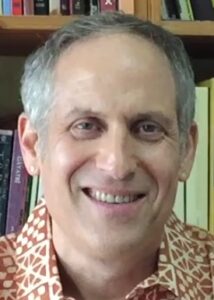
Moti Shefi

Moti Shefi has been teaching Transcendental Meditation since 1979. For more than forty years, he has helped students unlock their inner potential. Consequently, this book is the fruit of his long experience. Inside, he brings together ancient Vedic knowledge with a clear and genuine commentary.

About the author

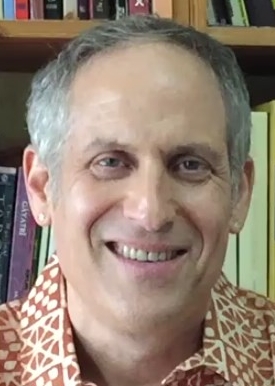
Moti Shefi

moti shefi
Moti Shefi has been teaching Transcendental Meditation since 1979. For more than forty years, he has helped students unlock their inner potential. Consequently, this book is the fruit of his long experience. Inside, he brings together ancient Vedic knowledge with a clear and genuine commentary.
quotes
Comprehensive and profound work about Yoga philosophy

Moti Shefi’s book, Transcendental Yoga, is an important contribution to the field of Yoga philosophy. It is a comprehensive, extensive, and profound work that offers a broad overview of Yoga philosophy, a translation and commentary on Patanjali’s Yoga Sutras, a review of various yoga systems, and finally, an in-depth analysis of the Transcendental Meditation technique. The book’s unique contribution lies in its study of Yoga philosophy through the distinct perspective of Transcendental Meditation. Highly recommended!
— Prof. Itamar Theodor
 Scholar of Hinduism and Comparative Religion, author of
 "The Philosophy of the Bhagavad-Gita"

Rated 5 out of 5
quotes
Comprehensive and profound work about Yoga philosophy

Moti Shefi’s book, Transcendental Yoga, is an important contribution to the field of Yoga philosophy. It is a comprehensive, extensive, and profound work that offers a broad overview of Yoga philosophy, a translation and commentary on Patanjali’s Yoga Sutras, a review of various yoga systems, and finally, an in-depth analysis of the Transcendental Meditation technique. The book’s unique contribution lies in its study of Yoga philosophy through the distinct perspective of Transcendental Meditation. Highly recommended!

— Prof. Itamar Theodor
 Scholar of Hinduism and Comparative Religion, author of
 ”The Philosophy of the Bhagavad-Gita”

Rated 5 out of 5
ty editions collage

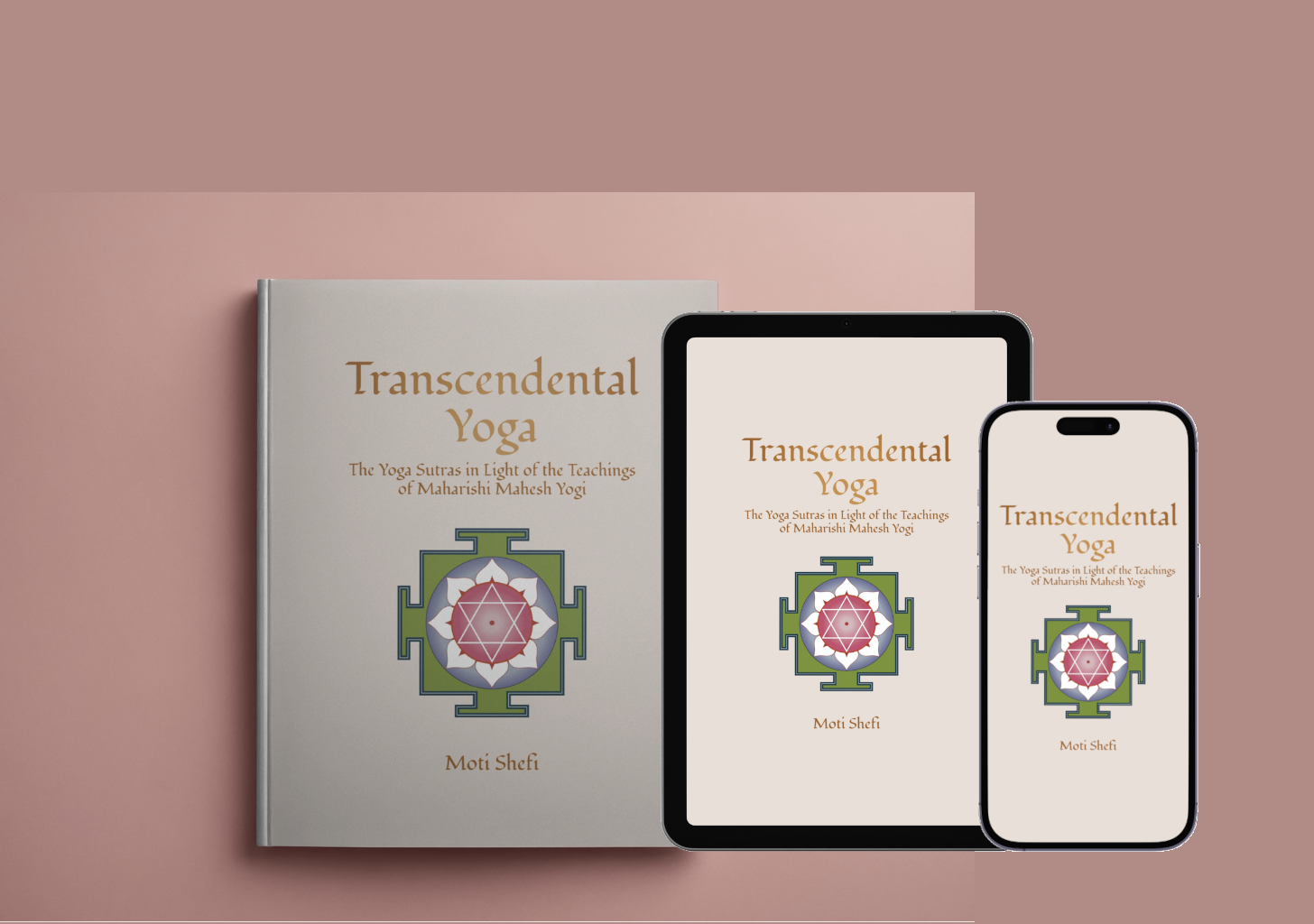
Paperback

$24.99 + shipping

Kindle

$9.99 - no shipping